

Sudden Medicaid Need In Georgia: What Families Can Do When A Loved One Needs A Nursing Home Now

On Behalf of Georgia, Wills, Trusts, and Probate Firm
Quick Summary: A sudden nursing home need does not always mean every planning option is gone, but it does mean families need to slow down and make careful decisions fast. In Georgia, Medicaid crisis planning can involve asset review, income review, powers of attorney, spousal protections, trust questions, and transfer-penalty rules. The biggest early mistake is panic-gifting assets or moving money without understanding the consequences.
If a parent or loved one suddenly needs nursing home care, the first question many families ask is:
Is it too late to do anything?
Not necessarily.
But this is the kind of situation where rushed moves can make things worse.
The Short Answer
Even in a crisis, there may still be planning options.
But Georgia Medicaid rules are technical, and timing matters.
That means families should not:
- give assets away casually,
- transfer the house without advice,
- assume a trust automatically solves the problem,
- wait too long to gather financial and legal documents.
The better first move is to get organized and understand what kind of crisis you are actually dealing with.
Why Families Feel Cornered So Fast
This kind of call usually comes after a hospital stay, a fall, a diagnosis, or a sudden decline.
Someone says nursing home care may be needed now.
The family starts doing mental math immediately:
- How much will this cost?
- Can Mom stay in her house?
- Does Dad’s spouse lose everything?
- Is there a power of attorney?
- Can we move money now?
Those are normal questions.
The problem is that families often try to answer them in the first wave of panic.
Medicaid Crisis Planning Is Not The Same As Long-Range Planning
Early Medicaid planning and crisis Medicaid planning are not the same thing.
When planning starts years in advance, a family may have more room to structure things carefully.
When nursing home care is needed now, the work shifts toward:
- understanding current assets and income,
- reviewing recent transfers,
- checking legal authority,
- identifying what protections may still be available,
- avoiding preventable mistakes.
That is why the question becomes less about “perfect planning” and more about “what can still be done correctly from here?”
The Biggest Early Mistake: Giving Assets Away Without A Plan
Families often hear a simplified version of Medicaid advice that sounds like this:
“Just move the money now.”
That is exactly the kind of move that can create a bigger problem.
Georgia Medicaid transfer rules can impose penalties for transfers made for less than fair market value, and assets placed into a trust within the relevant look-back period can also create consequences depending on the facts.
If the family is reacting to an immediate nursing home need, any transfer decision should be reviewed carefully before it happens.
The 60-Month Look-Back Matters
One of the most important Medicaid facts families need to know is that Georgia applies a 60-month look-back period in the long-term care context for certain transfers.

That means prior gifts, below-value transfers, and certain trust funding decisions can matter far more than families expect.
This is why crisis planning is usually about both the current emergency and the recent history.
What was moved in the last few months or years may be just as important as what the family is thinking about doing today.
Legal Authority Matters Immediately
When a crisis hits, families often discover a second problem:
no one is clearly authorized to act.
That can mean:
- no usable financial power of attorney,
- outdated documents,
- uncertainty about who can sign,
- family disagreement about who should be making decisions.
If the person needing care can no longer handle finances, those authority questions can become just as urgent as the Medicaid question itself.
Income Problems Are Not Always Asset Problems
Some families focus only on countable assets and miss the income side.
In some Georgia nursing-home Medicaid situations, income can be its own issue, and a Qualified Income Trust may become part of the conversation depending on the numbers and the circumstances.
That does not mean every crisis case needs one.
It does mean families should not assume Medicaid planning is only about spend-down or gifting.
What Families Should Do In The First Few Days
If nursing home care is suddenly on the table, a strong first-step list often includes:
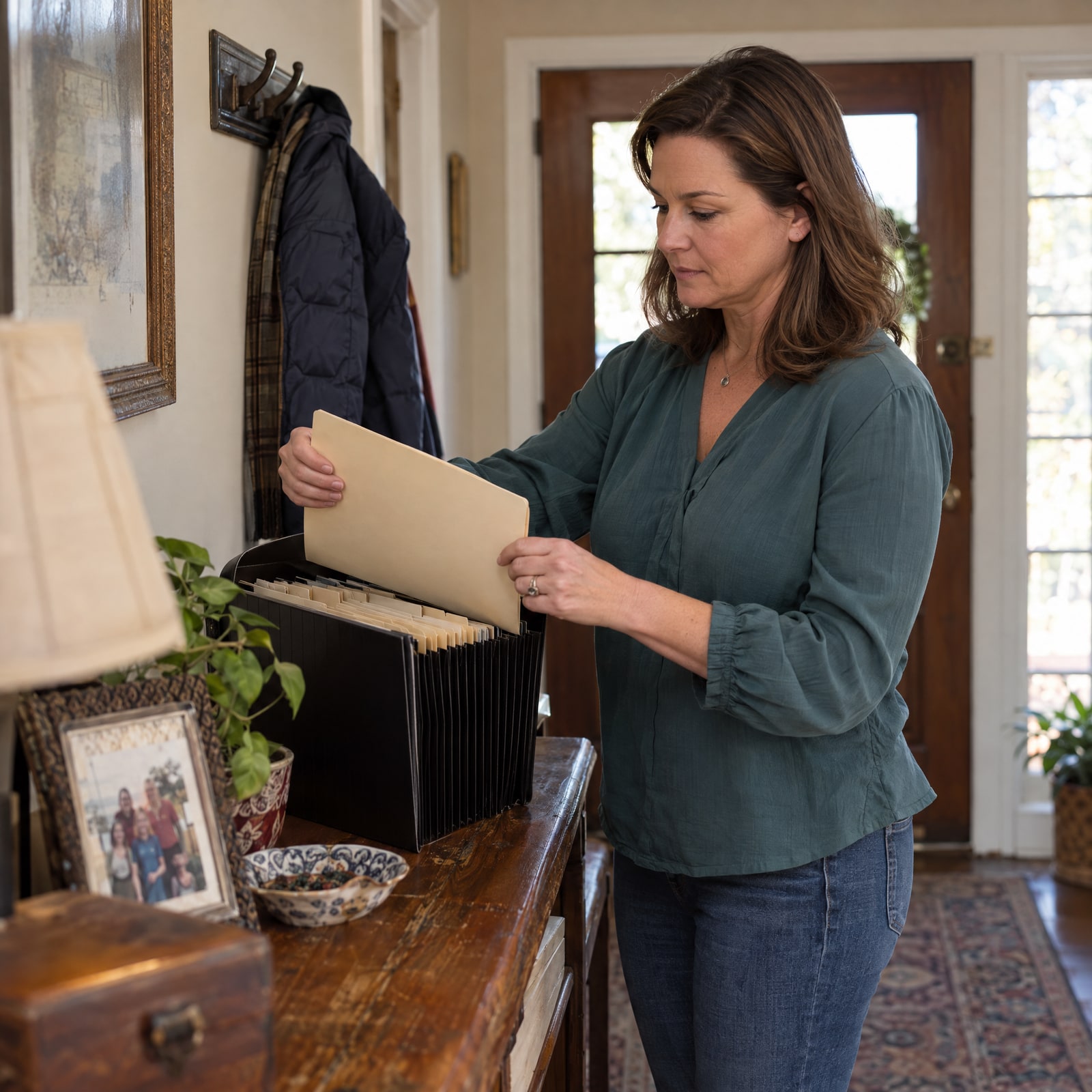
- gather powers of attorney, trusts, wills, deeds, and account records,
- make a full asset and income list,
- stop any impulsive gifting or retitling,
- identify whether there is a spouse still living independently,
- make a timeline of major transfers in recent years,
- get advice before signing over property or moving large sums.
That kind of early organization can protect options that panic can destroy.
Why Crisis Planning Still Needs A Whole-Plan View
Medicaid is not the only issue.
The family may also need to think about:
- the house,
- the spouse at home,
- beneficiary designations,
- trust language,
- future probate exposure,
- who will manage everything if the parent dies sooner than expected.
That is one reason crisis planning should still connect back to the broader estate plan instead of being treated as a one-issue fire drill.
If you want more background on long-term care planning before a crisis hits, our article on Medicaid and long-term care planning in Georgia is a useful companion.
What Georgia Families Should Remember Most
It may not be too late.
But it is definitely the wrong time to guess.
Georgia Wills, Trusts, and Probate Firm helps families evaluate what can still be done when care needs become urgent, how Georgia Medicaid rules may affect the options, and how to avoid mistakes that can make a hard situation even harder.
If your family is facing a sudden nursing home or Medicaid planning issue, Schedule a No-Obligation Strategy Session. Let’s figure out what you actually need, and make a plan that protects your family. You can also call (770) 795-4992.