

Do Adult Children Automatically Inherit In Georgia?

On Behalf of Georgia Wills, Trusts, and Probate Firm
Quick Summary
Adult children may inherit in Georgia, but they do not automatically receive everything in every situation. The answer can depend on whether there is a surviving spouse, which assets go through probate, and how the parent titled accounts or named beneficiaries. A clear estate plan can prevent family confusion and reduce the risk that Georgia’s default rules control the outcome.

When a parent dies, many families assume the adult children simply step in and inherit everything.
Sometimes that happens.
Sometimes it does not.
In Georgia estate planning and probate matters, the real question is not just who the children are. The question is whether the parent left a valid plan, whether there is a surviving spouse, and whether the assets even pass through probate in the first place. Georgia’s default inheritance rules can provide an answer when someone dies without a will, but that answer may not match what the family expected or what the parent would have wanted.
The Short Answer
Adult children may inherit in Georgia, but they do not always inherit automatically, and they do not always inherit the entire estate.
If a parent dies without a surviving spouse, the children may be the primary heirs for probate assets. If there is a surviving spouse and children, the spouse and children may share the probate estate, with the surviving spouse generally receiving at least a one-third share.
That is the legal default.
It is not the same thing as a personalized estate plan.
Why Families Get This Wrong
A lot of inheritance confusion starts with everyday assumptions.
Families may assume everything goes to the children because they are the next generation, everything goes to the surviving spouse first, a verbal promise controls who receives property, all assets are handled the same way after death, and a simple family tree always leads to a simple legal result.
Those assumptions can break down quickly when a family includes remarriage, stepchildren, a deceased child with descendants, or accounts that pass outside probate.
If There Is No Surviving Spouse
If a parent dies without a surviving spouse, the children may be the main heirs under Georgia’s default rules for probate property.
Even then, the situation may not be as simple as it sounds.
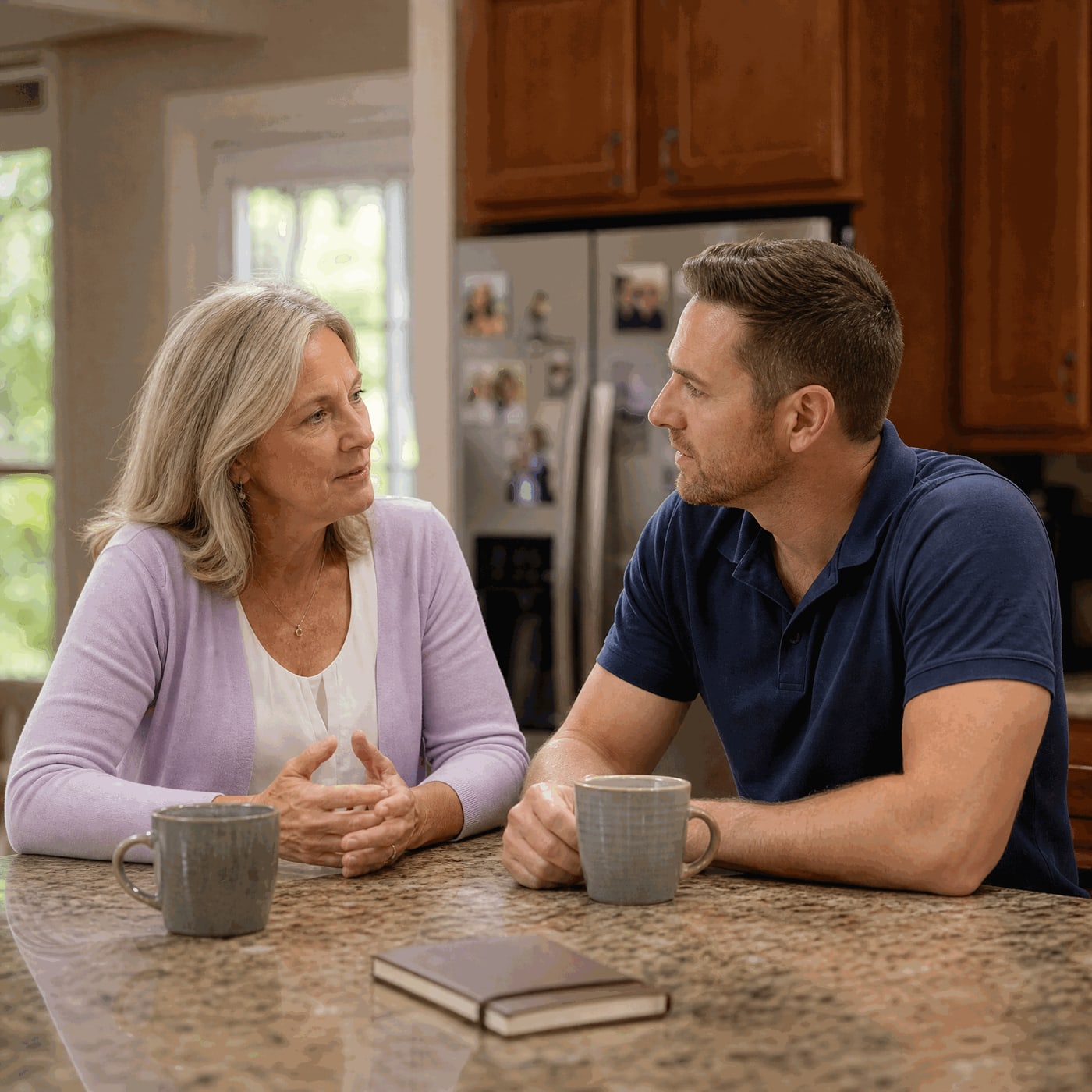
Questions can come up about whether all children are living, whether a deceased child left descendants, whether a child was legally adopted, whether a stepchild has inheritance rights, and whether certain property was jointly owned or had a beneficiary designation.
This is one reason families often need more than a quick answer from a relative or a checklist online. The legal result can depend on the structure of the family and the way each asset is owned.
If There Is A Surviving Spouse
If a parent dies with both a surviving spouse and children, the spouse and children may inherit together from the probate estate. Georgia’s default rules generally protect the surviving spouse from receiving less than one-third.
That can create real surprises.
A surviving spouse may expect to receive everything first and later leave it to the children. Adult children may expect the opposite. In blended families, those expectations can clash fast, especially when the family home, savings, or business interests are involved.
This is where estate planning can make a major difference. A plan can help a family move from assumptions to actual instructions.
Probate Assets And Non-Probate Assets Are Not The Same
One of the biggest sources of confusion is that not every asset passes through probate.
Some assets may pass under a will or under Georgia’s default probate rules. Others may pass by contract or title.
That can include assets such as retirement accounts with named beneficiaries, life insurance with named beneficiaries, some financial accounts with payable-on-death designations, and jointly owned property, depending on how title is held.
So even if adult children inherit part of the probate estate, they may not receive other assets at all. A surviving spouse or one child could receive a non-probate asset directly, while the probate estate is divided another way.
Without coordination, the overall result may feel uneven or even cause family conflict, despite each document technically doing what it was set up to do.
Blended Families Need More Than Default Rules
This issue becomes especially important in blended families.
A parent may assume adult children from a first marriage will eventually receive what is “meant for them.” A current spouse may assume the same assets are available for the spouse’s own security. If the plan relies on assumptions instead of clear documents, both sides can be disappointed.
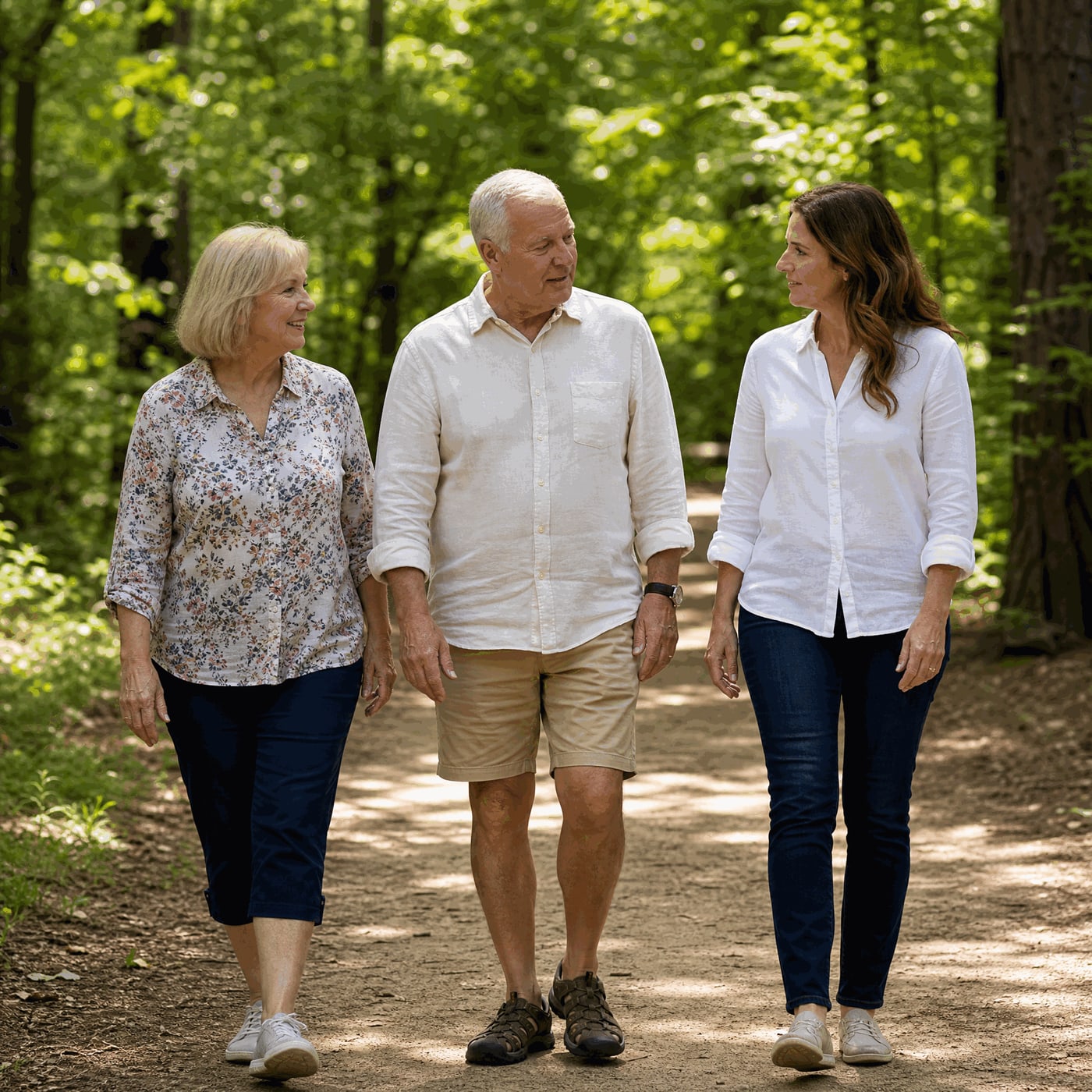
Default inheritance rules may not reflect second marriages, stepchildren, unequal financial needs among children, prior gifts or support given during life, a child with special needs, a family business, and a home the surviving spouse needs to stay in.
For many families, a will or trust is not just about passing property. It is about reducing confusion, protecting relationships, and making sure the plan fits the actual family.
A Will Or Trust Lets You Make The Decision
Georgia’s default rules answer the question only after someone has failed to leave clear instructions for probate assets.
That may be better than total uncertainty, but it is still a default.
A will or trust lets you decide things such as who should inherit, when they should inherit, whether a spouse should be protected first, how to handle a blended family, and who should manage the process.
That kind of planning can matter a lot when children are adults, because adult children may still have very different financial situations, family responsibilities, or relationships with the surviving spouse.
The Better Question Is Usually Bigger Than The Title
Families often start by asking, “Do adult children automatically inherit in Georgia?”
It is a fair question, but it is usually only the beginning.
The better questions are often:
- What property would actually go through probate?
- Is there a surviving spouse?
- Are beneficiary designations up to date?
- Does the current plan still fit the family as it exists now?
- Would the result create confusion or conflict after death?
Those are planning questions, not just inheritance questions.
If you are trying to protect adult children, a surviving spouse, or both, it may help to review the full picture before a crisis forces the family to sort it out later.
Schedule a No-Obligation Strategy Session. Let’s figure out what you actually need, and make a plan that protects your family. You can also call (770) 795-4992.